CNN Host Gets Dragged Online After Asking A Dem About ‘Heated Rhetoric’ — And The Internet Had Thoughts

Another day, another political TV moment instantly turning into a full-on internet courtroom.
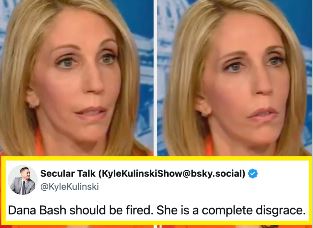
This time, a CNN host is facing serious backlash after asking a Democratic representative whether “heated rhetoric” from their side might be contributing to rising tensions around Donald Trump.
And the reaction online? Not exactly subtle.
The question came during a segment discussing political violence and the broader national climate. The host pressed the Democrat on whether language used by politicians could be “fueling the fire” — specifically in relation to Trump and the increasingly intense political atmosphere.
But instead of a calm policy debate, the moment quickly exploded online.
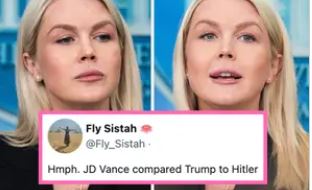
Clips of the exchange started circulating, and social media users immediately split into two camps. One side argued it was a fair, necessary question — especially given how often both parties accuse each other of escalating rhetoric. The other side called it a “gotcha setup,” accusing the host of framing Democrats as equally responsible for political violence narratives.
And then came the tweets.
Some users slammed the segment as “completely backwards,” arguing that previous Trump-era rhetoric has already set a much more aggressive tone in U.S. politics. Others said the question itself was valid, pointing out that political leaders on all sides need to be careful with language — especially in such a volatile environment.
One viral reaction summed up the chaos perfectly: “Every time CNN asks this question, the internet turns into a food fight with microphones.”
Meanwhile, commentators pointed out that this isn’t a new debate. The idea of “heated rhetoric” and political responsibility has been circling for years — especially after major incidents where politicians and media figures have been accused of pushing the line too far in either direction.
But as always, the internet didn’t stay in nuance for long.
Instead, it turned into clips, quotes, callouts, and a thousand hot takes flying in every direction at once.
And just like that, another TV segment became less about the original question… and more about who got blamed for asking it.